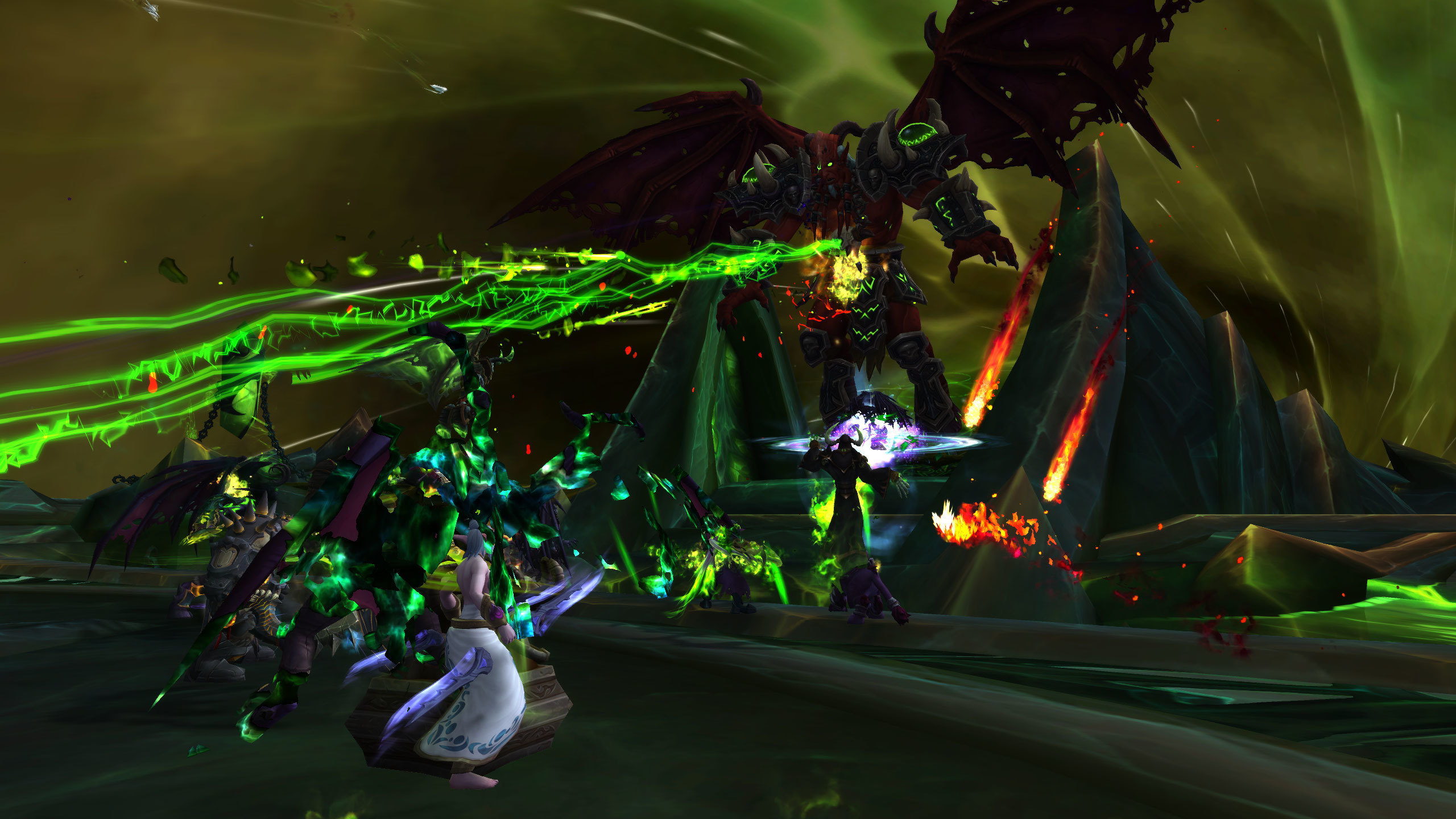
When you step into a raid, you’re not just fighting a monster—you’re experiencing a story told through action, timing, and mechanics. Blizzard’s boss design in World of Warcraft has always been more than a test of numbers or reflexes. Every encounter reflects the lore, emotions, and intentions of its antagonist. Without a single line of spoken dialogue, bosses communicate who they are and why they fight through their abilities, arenas, and patterns.
This article explores how Blizzard’s encounter designers use mechanics as narrative tools, turning every raid into a stage where gameplay itself becomes storytelling.
Mechanics as a Narrative Language
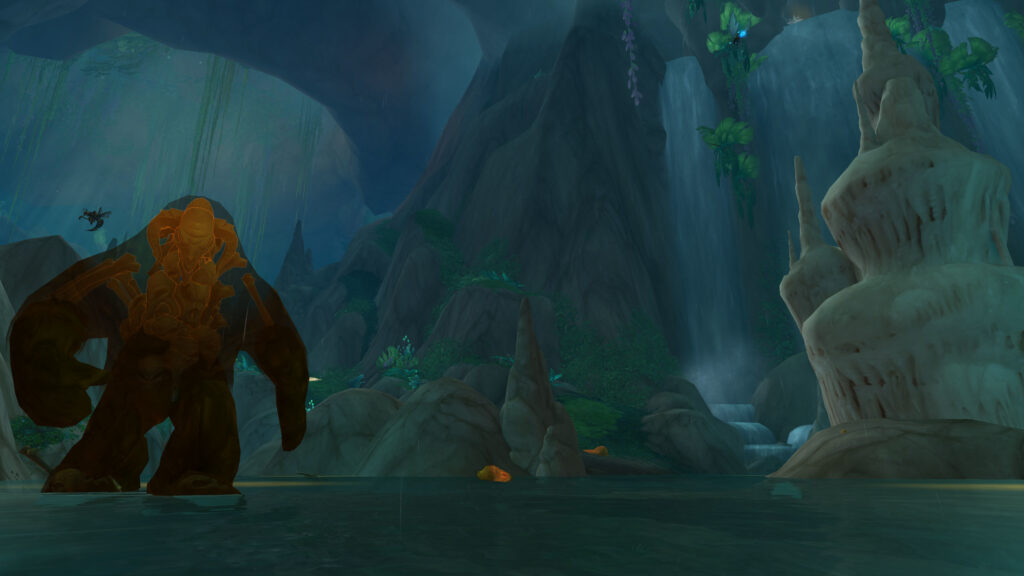
Boss mechanics are a form of visual and interactive storytelling. When a creature summons minions, spreads corruption, or splits its form, it reflects its lore and motivation. Players aren’t just dodging attacks—they’re decoding the personality of their enemy. In this way, combat becomes dialogue expressed through danger and design.
For example, the Twin Consorts in the Throne of Thunder use celestial imagery and alternating abilities to represent balance and rivalry. Their fight doesn’t require exposition—the mechanics themselves tell you who they are: two forces intertwined, yet forever in conflict.
The Emotional Architecture of Raid Arenas
Before the first ability is even cast, a raid’s environment sets the emotional tone. Blizzard’s encounter artists collaborate closely with narrative teams to ensure the space itself tells a story. A shattered temple might suggest a fallen god; a throne bathed in fire implies vengeance. Every tile, texture, and shadow is part of the storytelling equation.
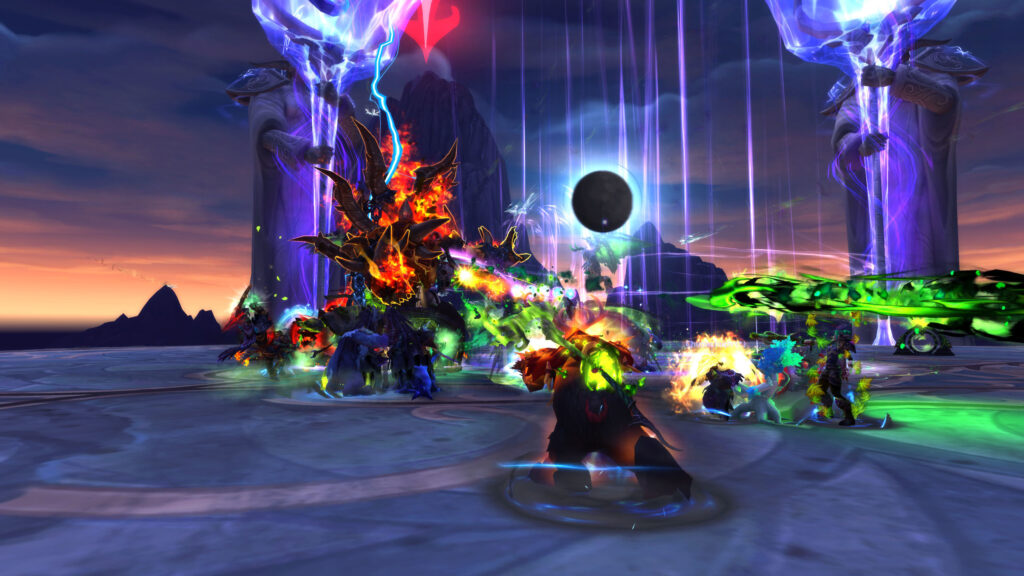
This environmental storytelling reinforces the mechanical flow. When a boss enrages, the room often reacts—flames rise, walls collapse, or the music swells—mirroring the climax of a cinematic moment, except the player is the one driving the scene forward.
Examples of Mechanics Reflecting Character
The following table showcases how some of the most iconic raid bosses used mechanics to embody their story and personality:
| Boss | Mechanic | Narrative Expression |
|---|---|---|
| Arthas, The Lich King | Defile and Val’kyr grabs | Corruption spreading; death pulling the living away |
| Lei Shen | Power conduits and phase shifts | Obsession with control and domination of storm energy |
| Yogg-Saron | Sanity meter | Madness manifesting through player perspective |
| Sargeras’s Avatar | Platform collapse | Literal destruction under divine weight |
| Raszageth | Wind and lightning phases | Freedom and fury as elements of rebellion |
Each mechanic reinforces a theme, ensuring players feel the essence of the villain even as they fight for survival.
Designing Flow: Rhythm and Emotion
Blizzard’s best fights follow a rhythm similar to storytelling structure: introduction, rising action, climax, and resolution. Early phases establish identity—teaching players what kind of threat they face. Later phases push emotional intensity, often forcing improvisation or sacrifice. The final moments, when the boss falls, are both mechanical triumph and emotional release.
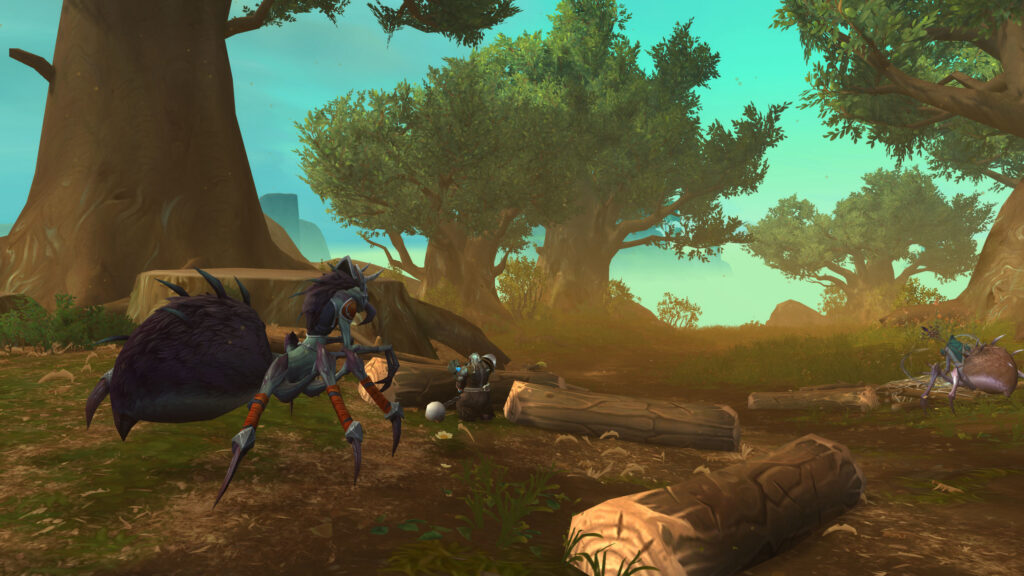
This choreography transforms raids into interactive theater. Even failure carries narrative weight—wipes aren’t just setbacks but dramatic pauses, moments to reflect on the antagonist’s growing power or the heroes’ desperation.
When Simplicity Speaks Louder Than Complexity
Not every story needs intricate mechanics. Sometimes a single, perfectly tuned ability says everything. The Frozen Throne’s “Harvest Souls” or Denathrius’s “Remornia” sword phases communicate power, arrogance, and cruelty in seconds. Good encounter design isn’t about overwhelming the player—it’s about evoking feeling.
That restraint separates memorable encounters from forgettable ones. Every mechanic is a sentence; too many, and the story becomes noise. Too few, and the story goes untold.
Conclusion
Blizzard’s raid design proves that storytelling doesn’t need words. Through animation, mechanics, and rhythm, every encounter becomes a living narrative. Players don’t just read the story—they perform it. The battlefield is the script, and the raid group the actors.
That’s what makes Warcraft’s boss design timeless: the ability to turn combat into conversation, and every victory into a story worth retelling.


Leave a Reply